
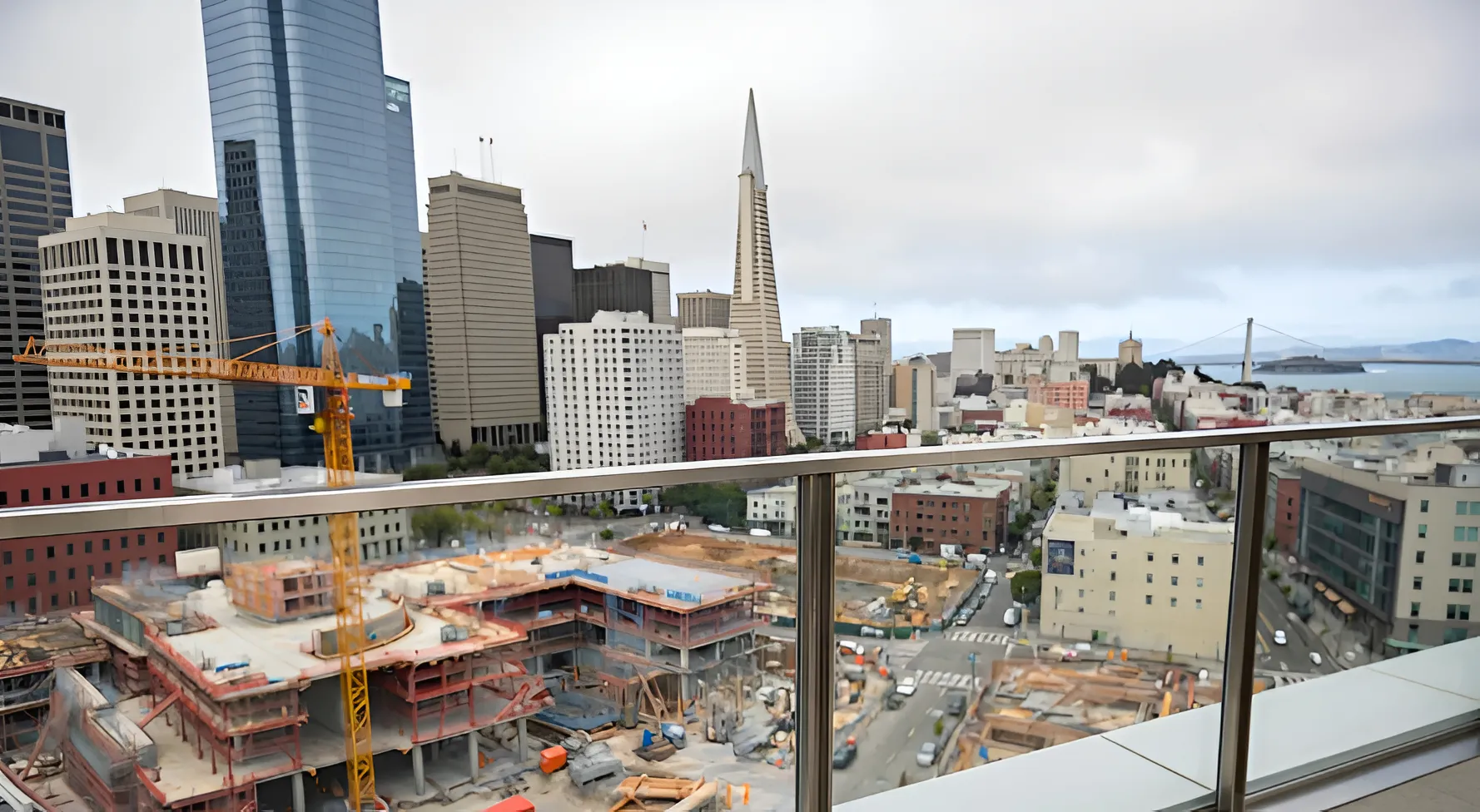
Why On-Site Oversight Still Wins in Commercial Real Estate
Commercial buildings rarely signal trouble with a headline; they signal it with a feeling. The reports look fine and the numbers “track,” yet something feels off. A tenant sounds frustrated. A minor vendor issue keeps resurfacing. The lobby feels a little tired, or the street feels different than it did six months ago.
That unease is rarely about spreadsheets. It’s about the confidence that an asset is being protected in the small, day-to-day ways that ultimately shape long-term value. In commercial property management, performance isn’t only built on high-level moves like refinancing or repositioning. It’s built in the quiet accumulation of details: how quickly issues are resolved, how consistently standards are maintained, and how tenants experience the building when no one is watching.
Technology and remote reporting are valuable tools, but in complex urban markets like San Francisco, on-the-ground oversight remains a definitive practical advantage. Physical presence catches what a dashboard cannot: early signs of friction, subtle shifts in tenant expectations, and operational gaps before they become costly distractions.
Why Owners Value Physical Presence
San Francisco is not a “set it and forget it” market. Conditions shift block by block; foot traffic, access, vendor availability, and even the “feel” of an entryway at 8:00 a.m. on a Tuesday. TMG Partners, an established Bay Area real estate firm, summarizes the local reality well: “You have to be here, and know here, to make the most of the opportunities all around us.”
Owners value presence because it creates a tighter loop between the plan and reality. It is the difference between managing from a distance and managing with clarity.
What Gets Missed When Oversight is Remote
Remote tools flatten reality. They are excellent at capturing what is measurable, but less effective at capturing what is meaningful. When oversight remains off-site, owners often miss:
- Patterns vs. Incidents: Hearing the same complaint in different words, week after week.
- True Vendor Performance: Seeing the work in the field, not just the invoice.
- Tenant Sentiment: Assessing the tone, trust, and follow-through that actually drive renewals.
- Early Warning Signs: Detecting small leaks, security gaps, or deferred cleaning before they escalate.
Industry guidance continues to emphasize higher operational standards as buildings become more complex. BOMA’s research on modern building operations highlights how building teams have evolved into strategic managers of high-performance assets.
On-Site Oversight and Tenant Confidence
Tenants don’t renew simply because a team is “nice.” They renew because a building feels reliable. Reliability shows up in the small moments: how quickly concerns are acknowledged and whether the space feels professionally cared for.
On-site oversight supports tenant confidence in practical ways:
- Issues stay handled, rather than requiring repeat visits.
- Communication is clear: “Here is what’s happening, and here is the timeline.”
- Common areas and systems perform consistently.
- Tenants feel seen, not processed.
When ownership maintains a real presence, tenants sense it, and that perception is often a deciding factor at renewal time. This is where services and property management operations connect directly to value. Occupancy and lease stability are built through daily standards.
Related: The Human Side of San Francisco’s CRE Market Shift
Operational Efficiency Starts at the Property Level
The cleanest budgets usually belong to buildings that don’t run on surprises. This isn’t luck; it’s a rhythm of inspections and fast decisions. BTS Eddisons reports that regular inspections are widely recognized as a core discipline for protecting asset value. A strong on-site routine improves three things immediately:
- Response Time: Fewer back-and-forths and repeat visits.
- Scope Clarity: Vendors solve root causes, not symptoms.
- Capital Timing: Identifying what’s aging early, rather than at the point of failure.
“Local presence is not about hovering; it’s about removing surprises. When we’re on-site, we protect tenant trust and keep ownership aligned with what’s real.” – Marty Smith, Westvale CRE
Related: Why a Commercial Property Management Company Is Great for Profitability
Local Knowledge as a Risk-Management Tool
In San Francisco, risk isn’t just about the building; it’s about the context. Neighborhood shifts, municipal realities, and competing amenities affect leasing velocity long before they show up in the financials.
For long-term owners, families, and fiduciaries, local knowledge is a vital form of stewardship. Presence allows a manager to separate signal from noise and make calmer decisions with better timing. It ensures that when a hard decision arrives, be it CapEx, repositioning, or disposition, the owner is acting from clarity rather than reacting to a surprise.
A Best-Practice Example from San Francisco
Consider a mid-sized SF office building with stable tenancy but rising friction: repeated comfort complaints and a sense that small issues are stacking up. A “presence matters” plan focuses on three levers:
- Focused Walk-throughs: Weekly checks tied to a specific punch-list, not a vague stroll.
- Efficient Touchpoints: Tenant interactions that feel personal but respect their time.
- Vendor Accountability: Clear standards backed by photos and close-out confirmation.
The result is rarely flashy, but it is effective: fewer problems, stronger tenant confidence, and cleaner forecasting.
Long-Term Asset Performance
San Francisco rewards owners who stay close to reality. Not anxious or reactive, just present, consistent, and clear.
Walter Shorenstein, one of San Francisco’s most iconic builders, put it simply in a UC Berkeley oral history published by SFGATE: “I always preferred to hire people with street smarts than book smarts.”
On-site oversight is “street smarts” applied to CRE property operations: real-world observation, fast course-correction, and a steady standard that tenants can feel.